


Artículos recientes

10.October.2026
Remedios caseros para las manchas en la cara: qué sirve, qué no y cómo quitarlas con seguridad
0 Comments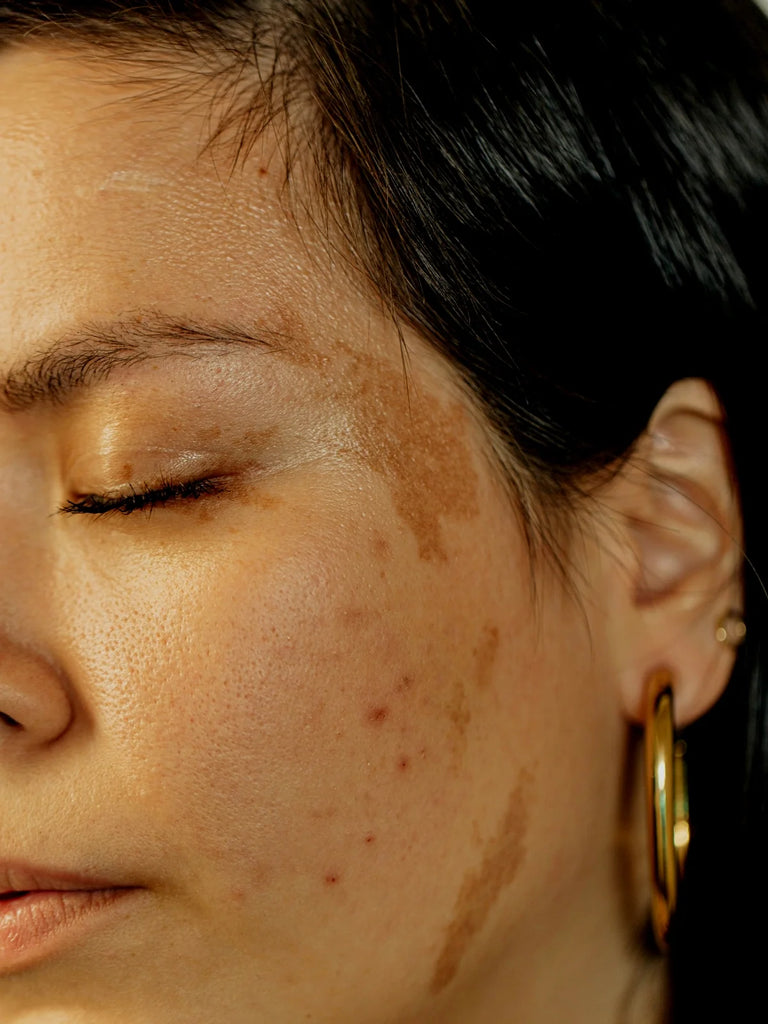
07.October.2026
Peptones and Biopolymers in the Buttocks: What They Are and Why Not to Inject Them
0 Comments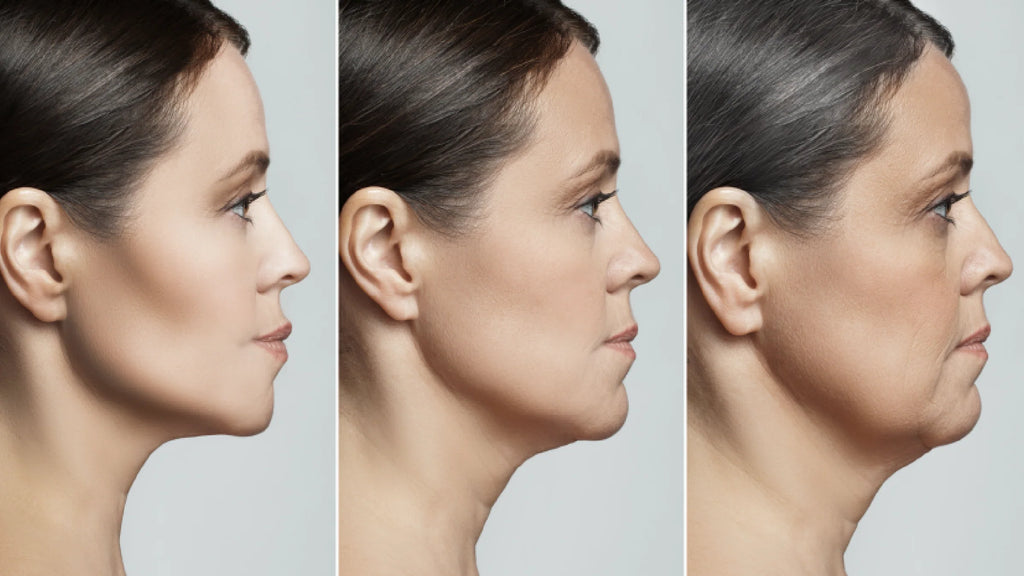
Peptones and Biopolymers in the Buttocks: What They Are and Why Not to Inject Them
By Dr. Olga Gómez Montoya, physician and surgeon · Aesthetic medicine · El Poblado, Medellín · Updated: October 2026
“They are protein injections, natural, and the buttocks grow in just a few sessions.”
That is how peptones are usually offered. And that is how, in other words, biopolymers were offered for years. That is why this article puts them together: not because they are the same substance, but because they are sold with the same promise and the same lack of support.
Quick-read summary
- Peptones are mixtures of partially broken-down proteins. They are used in laboratories and in industry, and their composition varies by manufacturer [3].
- There is no solid scientific evidence supporting peptone injections to enlarge the buttocks, nor any product approved for that use [3].
- Biopolymers and other unauthorized modeling substances are banned in Colombia under Law 2316 of 2023, which punishes anyone who injects them with prison [1].
- The damage can appear years later: inflammation, nodules, hardening of the skin and, in some cases, symptoms throughout the body [4].
- INVIMA (Colombia's health products regulator) issued an alert in 2025 against cosmetics promoted for injection, including to “enlarge the buttocks” [2].
- Before any injection, ask: what product it is, what INVIMA registration it has and who is administering it.
What are peptones?
Peptones are mixtures obtained by breaking down proteins, for example from meat, milk or soy. In laboratories they are used as food for growing bacteria, and in industry they have other uses [3].
The problem starts with the name. “Peptones” does not tell you what the product is, what concentration it has, who manufactures it or what it was approved for. When someone offers you “peptones,” you really do not know what they are going to inject.
Do peptones work to enlarge the buttocks?
There are no serious clinical studies demonstrating it [3].
What many patients describe is a rapid increase that later disappears. There is a simple explanation: the injected volume and the inflammation caused by the injection make the area look bigger for a while. When the inflammation goes down, the effect goes away.
And what does not go away is the risk of having injected something without registration, without traceability and, often, outside a medical office.
What are biopolymers and why are they banned?
“Biopolymers” is the name under which substances such as liquid silicone, oils and other materials injected to add volume became popular in Colombia. Medicine groups them as modeling substances, and the damage they cause is known as iatrogenic allogenosis or modeling-substance disease [4].
Since 2023, Law 2316 punishes with prison anyone who injects non-permitted modeling substances, with harsher penalties if it is done by a health professional, if the victim is a minor or if there was deception [1].
The fact that a criminal law exists says a lot about the size of the problem.
What happens to the body with these substances?
These substances are not reabsorbed as they should be. The body recognizes them as foreign and reacts against them, sometimes for years [4]:
- Inflammation and redness of the area, which comes and goes.
- Nodules and hardening of the skin and the tissue underneath.
- Migration of the material to other areas, such as the legs.
- General symptoms, such as fever, joint pain or muscle pain, in some cases.
The hardest fact: years can pass before they appear, and there is no fully effective treatment. Removing them is difficult and not always completely possible [4].
If you have already had them, what should you do?
Without guilt and without panic: see a doctor and tell them honestly what was applied, when and where. If redness, pain, hardening, fever or skin changes appear in the area, seek care promptly.
Managing these complications is specialized work and, depending on the case, is led by plastic surgery, dermatology or rheumatology.
What should you ask before any buttock injection?
- What exact product is it? Ask to see the box, the batch number and the expiration date.
- Does it have a current INVIMA registration? Ask to see it, along with the batch number. A “natural product” without registration is not safer: it is less controlled.
- Who administers it and where? It must be a physician, in a licensed medical office.
- What evidence is there? If the answer is “it has worked for many women,” that is not evidence.
If they cannot answer you clearly, that is already your answer.
What can be done, with medical judgment
For the buttocks, what we seek with medical judgment is not to “grow” at any cost, but to improve firmness, texture and proportion, with registered products, progressively, and telling you honestly what can and cannot be achieved. I explain it in non-surgical buttock harmonization, hip dips and cellulite on the legs and buttocks.
If you were offered peptones or you are worried about something you already had applied, message us CHECK-UP on WhatsApp. We will review it in your assessment, without judgment.
Frequently asked questions about peptones and biopolymers
What are peptones?
They are mixtures of partially broken-down proteins used in laboratories and in industry. Their composition varies by manufacturer, and there is no peptone product approved for buttock augmentation.
Do peptones work to enlarge the buttocks?
There are no solid clinical studies demonstrating it. The increase seen at first is explained by the injected volume and inflammation, and it tends to disappear.
Are peptones dangerous?
Injecting a substance without registration for that use, without traceability and outside a medical office is a risk: infections, inflammation and reactions that cannot be predicted. That is why they are not recommended.
What are biopolymers?
It is the popular name for modeling substances, such as liquid silicone or oils, that were injected to add volume. They cause modeling-substance disease, or iatrogenic allogenosis, and their unauthorized use is a crime in Colombia.
Are biopolymers banned in Colombia?
Yes. Law 2316 of 2023 punishes with prison anyone who injects non-permitted modeling substances, with harsher penalties for health professionals.
When do biopolymer complications appear?
They can appear months or many years after application, with inflammation, nodules, hardening of the skin or general symptoms.
Can biopolymers be removed?
It is difficult and not always completely possible. Management is specialized and decided case by case.
What should I ask before a buttock injection?
What exact product it is, whether it has a current INVIMA registration, who administers it and where, and what evidence supports it.
About the author
Dr. Olga Gómez Montoya, physician and surgeon from the University of Antioquia, practicing natural aesthetic medicine in El Poblado, Medellín.
Educational information. It does not replace a medical assessment. If you have symptoms in an area where a substance was applied, see a doctor.
References
- Congress of Colombia. Law 2316 of 2023, which criminalizes the injection of non-permitted modeling substances. Normograma INVIMA
- INVIMA. Alert on cosmetics promoted for injectable use (2025). INVIMA
- Peptones: definition and absence of clinical trials for buttock augmentation; regulatory warnings on injected cosmetics (AEMPS, ANMAT). Educational review. Source
- Martínez EV, et al. Enfermedad por modelantes. Presentación de un caso [Modeling-substance disease: a case report]. Rev Cent Dermatol Pascua. 2013;22(3). Medigraphic
Artículos relacionados

10
Oct
07
Oct
07
Oct

07
Oct
07
Oct

![SVR Ampoule B [B3] Hydra 30 ml, sérum hidratante con niacinamida y ácido hialurónico](http://www.olgagomez.com.co/cdn/shop/files/Ampoule__B__2000x2000_14d5c39f-f664-464a-a86d-22e925085cfc.jpg?v=1791397813)
![SVR Ampoule B [B3] Hydra 30 ml, sérum hidratante con niacinamida y ácido hialurónico](http://www.olgagomez.com.co/cdn/shop/files/SVR_retouche_ABC_Ampoule_B_02_1200x1200_f9dbbec9-d113-461f-b0eb-8040cb9df6e5.jpg?v=1791397813)


